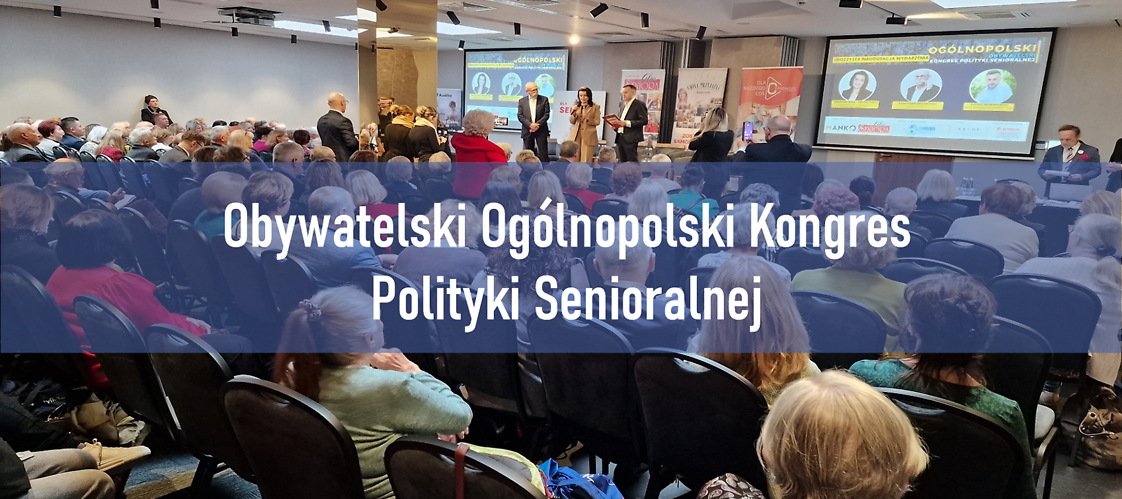
Civic Nationwide Congress on Senior Policy
11 december 2025
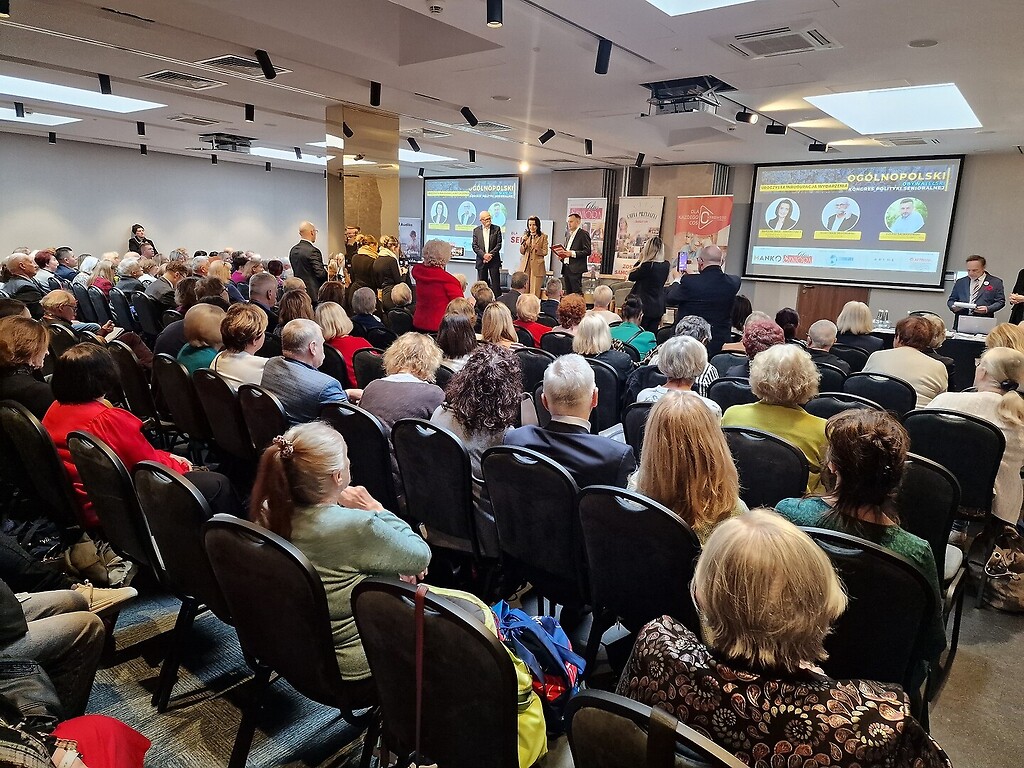
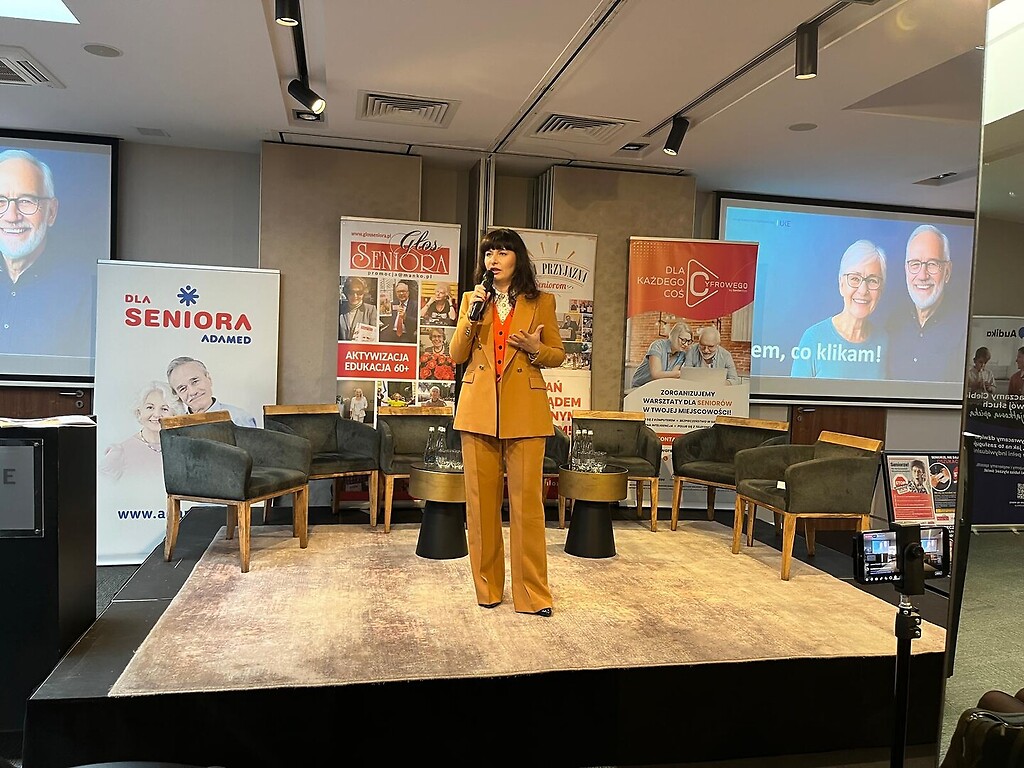
On December 10, the Nationwide Civic Congress on Senior Policy took place, organized by the MANKO Association – Voice of Seniors. This event was addressed to senior organizations, leaders of senior communities, and individuals engaged in civic activism and the development of senior policy in Poland. It provided an opportunity for discussion and exchange of experiences among representatives of governmental and local institutions, senior organizations, experts, practitioners, and decision-makers. The Congress aimed to strengthen the participation of older people in public life and to develop recommendations for creating a modern and effective senior policy.
Seniors are increasingly active in social and civic life. The Congress emphasized the importance of their experience, knowledge, and engagement in shaping systemic solutions at both local and national levels.
The program of the Senior Policy Congress included:
- expert lectures on the safety of older people,
- discussion panels on the role of seniors in civil society,
- presentations of good practices implemented by organizations and local governments,
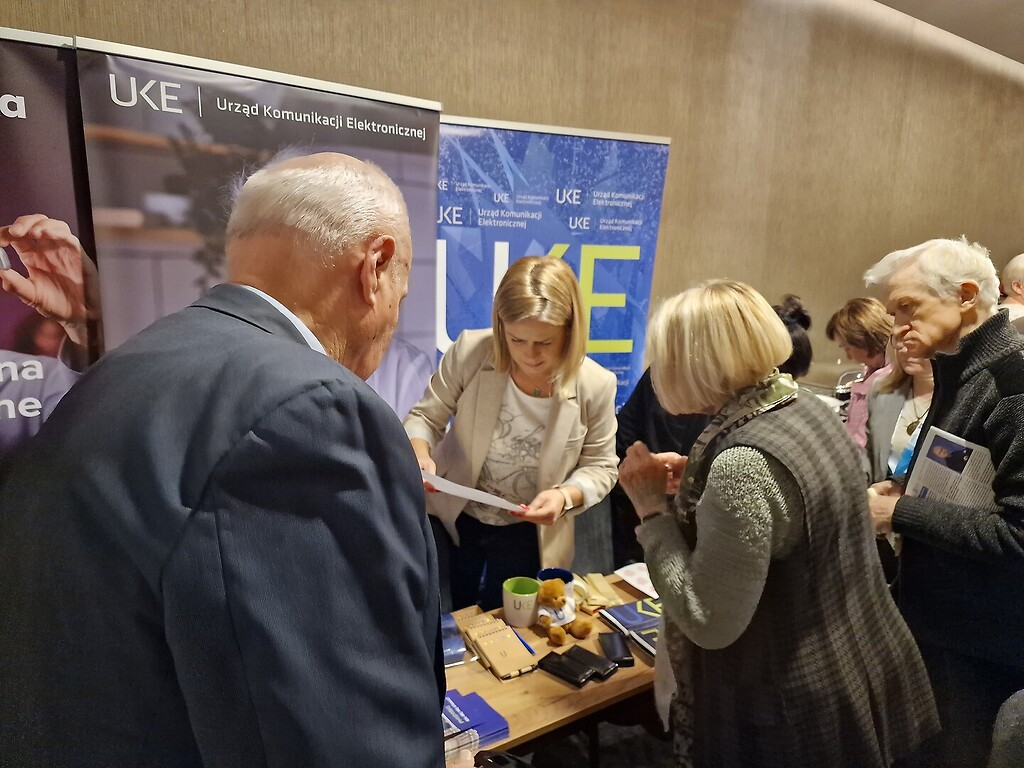
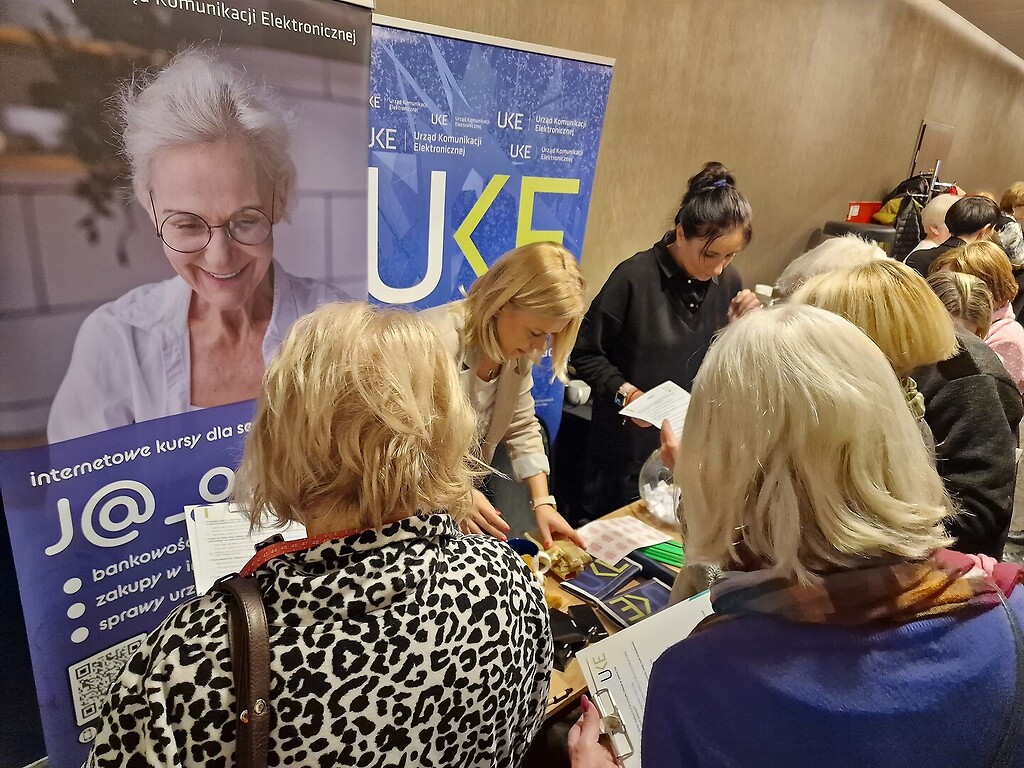
- information stands of institutions and organizations working for the benefit of older people.
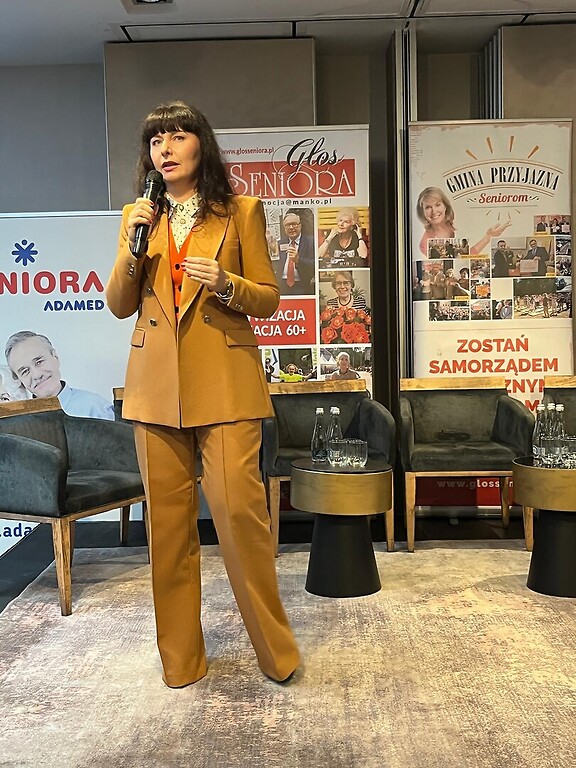
Milena Górecka, Head of the Consumer Policy Department, spoke about the basic principles of safety when using social media, as well as the protection of sensitive data and online profiling. Still, few older people are aware of how automated data processing works to create digital user profiles, analyze behaviors and preferences, and predict actions — mainly for the purpose of personalized marketing of products and services. The UKE expert also discussed the types of threats that may result from a lack of caution, including phishing attacks, impersonation of individuals or institutions, fake online stores, and investment scams.
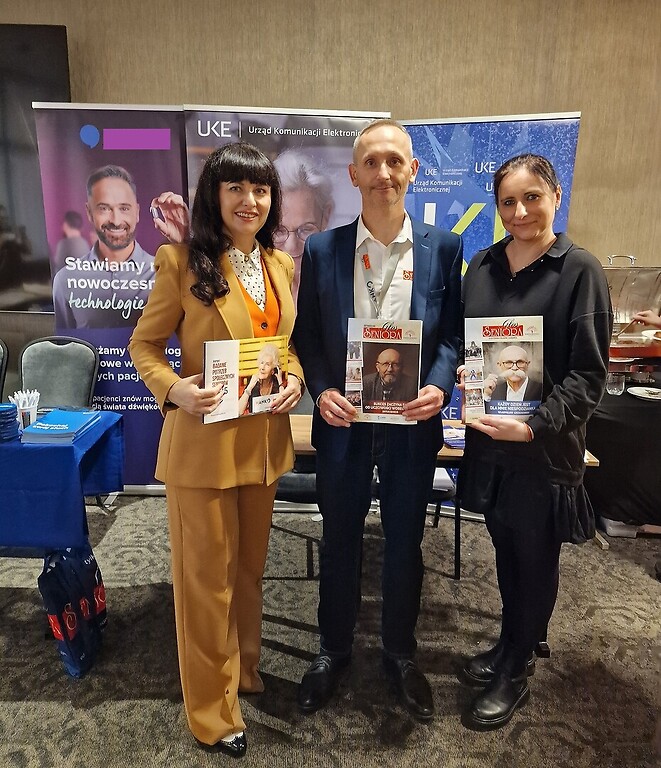
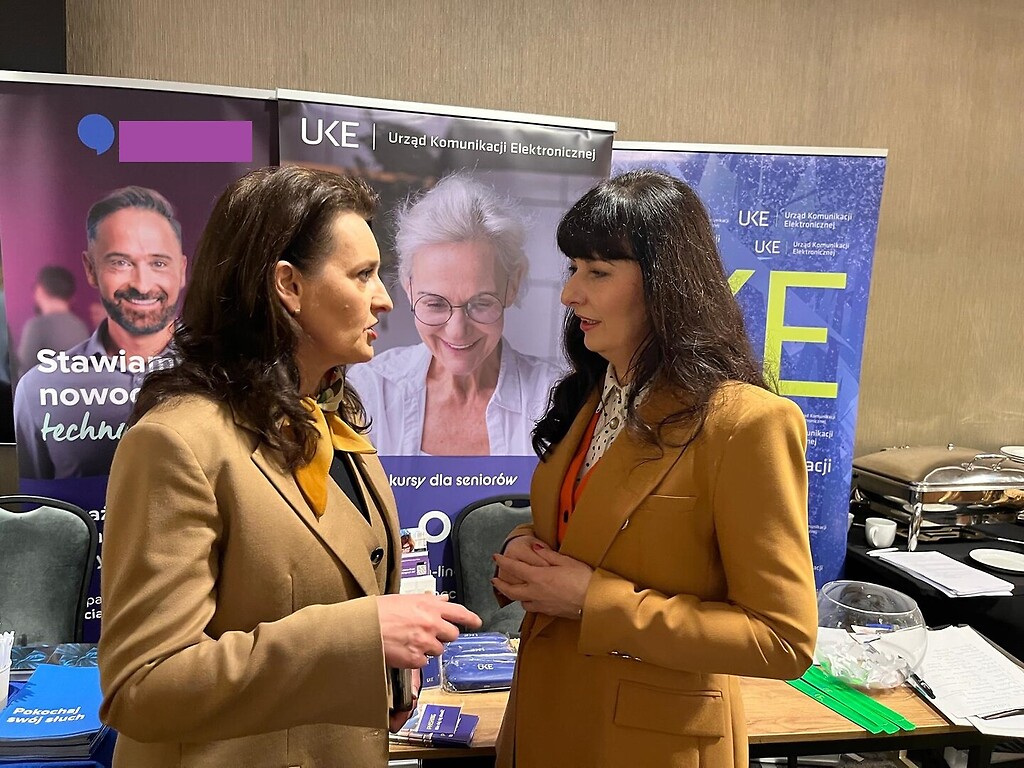
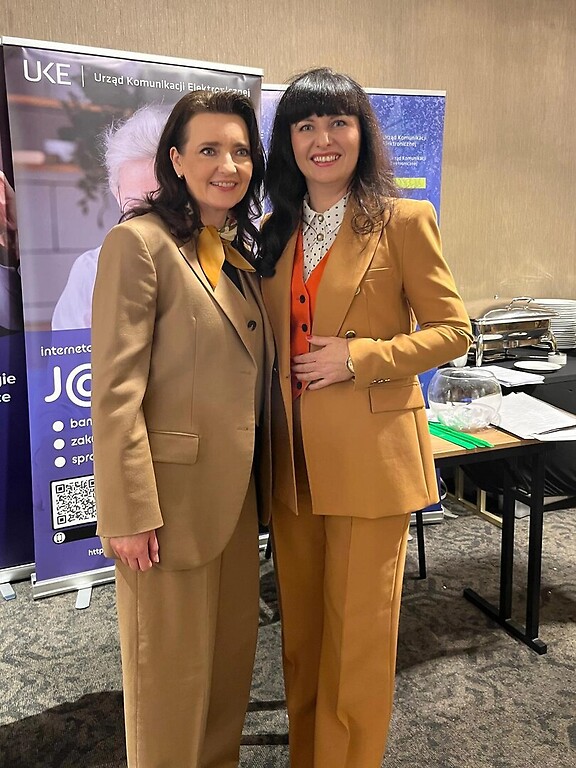
Congress participants also discussed safety principles with specialists from the Consumer Policy Department — Aneta Czarnecka and Małgorzata Tymińska — at the UKE information stand.
During the Congress, the results of the 2025 Report on the Social Needs of Seniors were also presented. The Internet is a source of knowledge, entertainment, and communication. However, it is a tool that must be used responsibly, with an understanding of basic safety principles and awareness that not all content is true.
The Report’s findings show, among other things, that although the Internet is an important source of health information, seniors use it cautiously, mainly due to low trust in information sources. This caution is justified, as the online space is flooded with unverified advice, pseudomedical theories, and advertisements for supplements and “miracle therapies,” often promoted by influencers who bear no responsibility for their reliability. Seniors, when faced with complex, technical language, may be vulnerable to manipulation, including false information about medications, diagnostics, or prevention. Health misinformation can lead not only to the use of ineffective products but also to the abandonment of professional medical care.
Therefore, it is essential to strengthen digital skills and promote safe, verified sources of information. Building information security also requires the use of official, government health applications and portals. Tools such as the Internet Patient Account and applications offered by the Ministry of Health provide access to medical data, recommendations, and educational information created by verified experts.