UKE Webinars – The Risks of Artificial Intelligence
01 april 2026
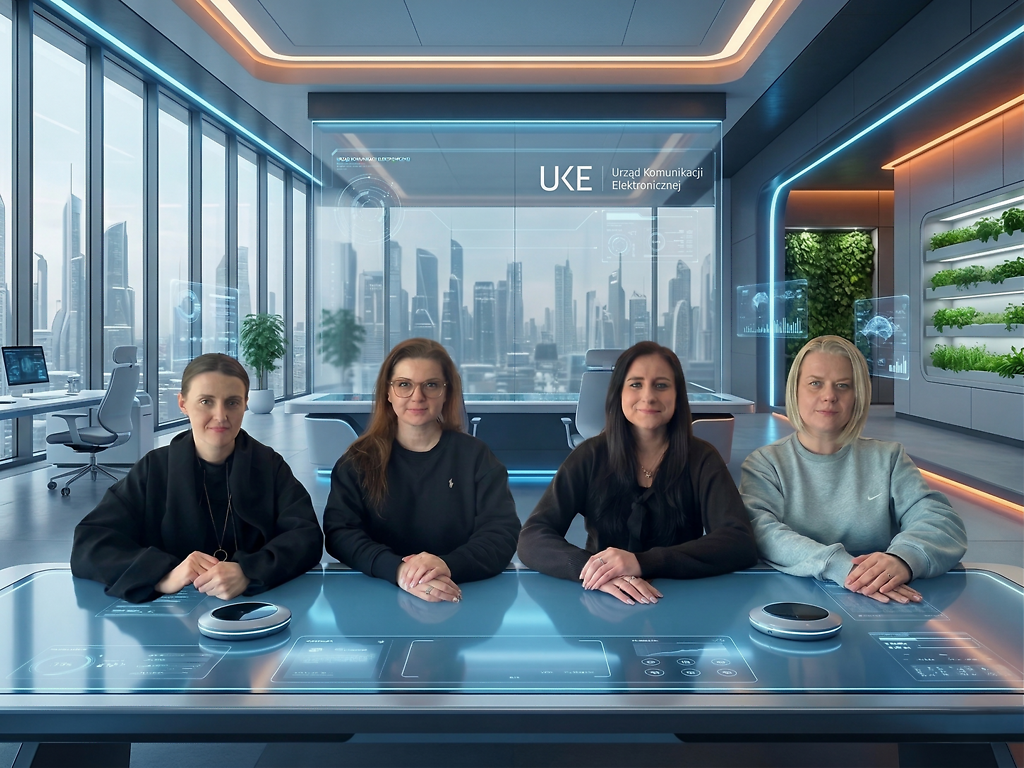
In April, we are appearing on computer screens in primary schools across Poland—not only to talk about artificial intelligence, but to truly open young people’s eyes to what may be hidden behind the content they see online every day.
During our meetings with students, we explain that not everything that looks “real” is actually true. We show how easy it is today to create fake photos, manipulated recordings and deepfakes that can imitate well-known public figures, actors or influencers. Students are often surprised to learn that someone they follow online may not even exist, and that their image may have been generated by algorithms.
We also address the issue of fake advertisements, which are often created automatically and tailored to our interests. We explain how algorithms work and why they show us exactly what they want us to see—not always in our best interest.
Today, we met with students from grades 4–6 and grades 7–8. These were very important conversations. Our goal is simple: to teach young people critical thinking. We want them to be able to pause for a moment before believing what they see. We want them to ask questions such as: “Is this really true?”, “Who created this?”, and “Why am I seeing this?”
In a world where the line between truth and fiction is becoming increasingly blurred, awareness and attentiveness are among the most important skills of the future.