„Workshop 2026” at the Koszalin University of Technology
09 june 2026
Digital Survival and Invisible Threats. Launch of “Workshop 2026” at Koszalin University of Technology
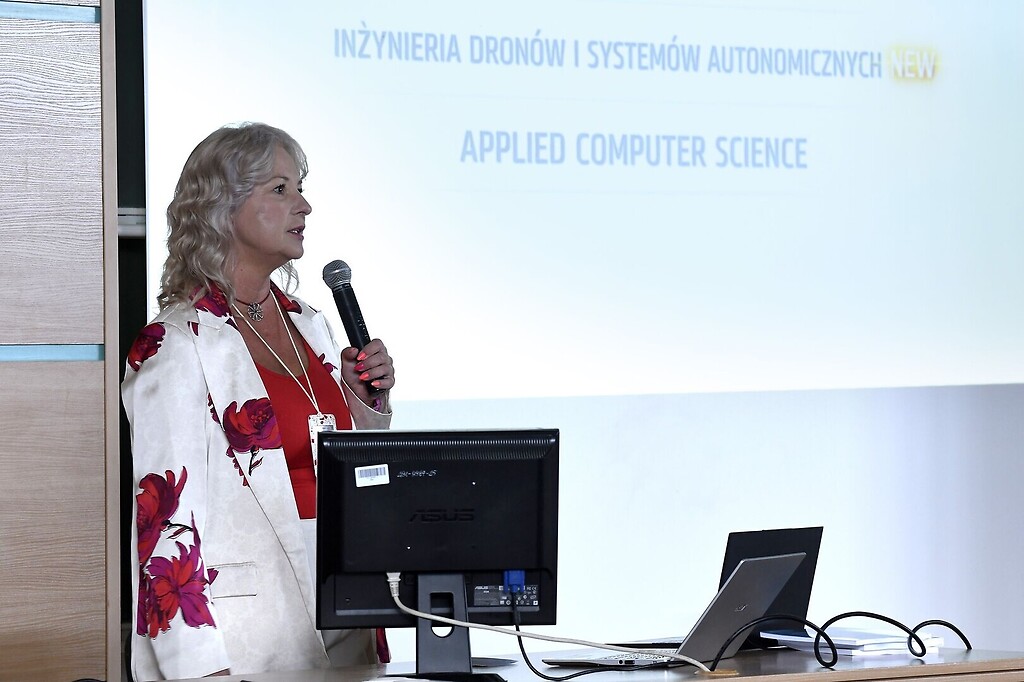
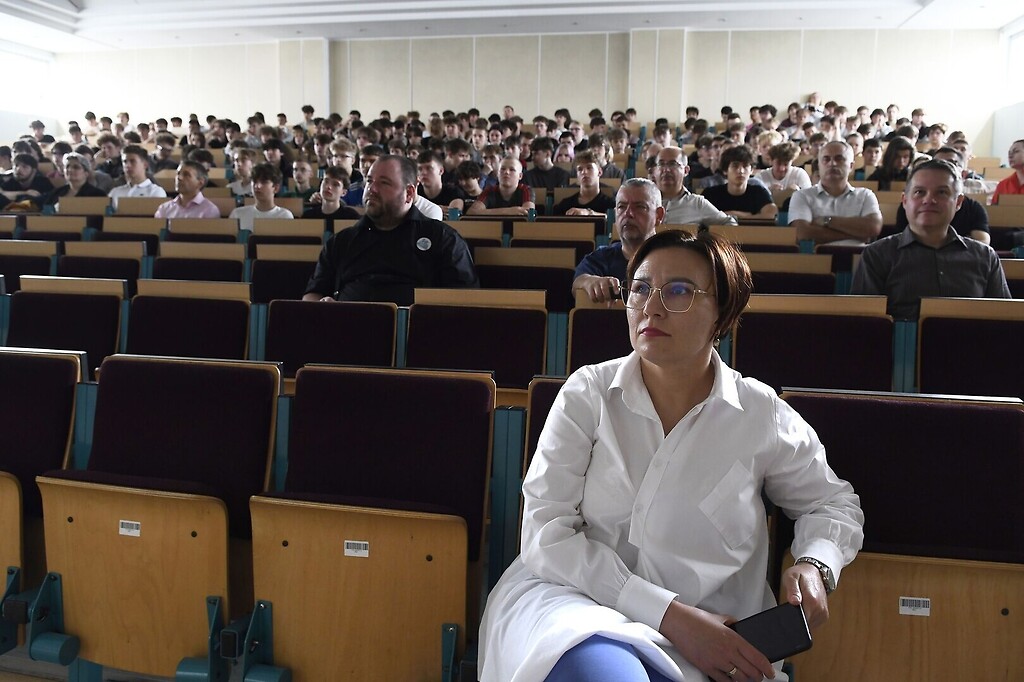
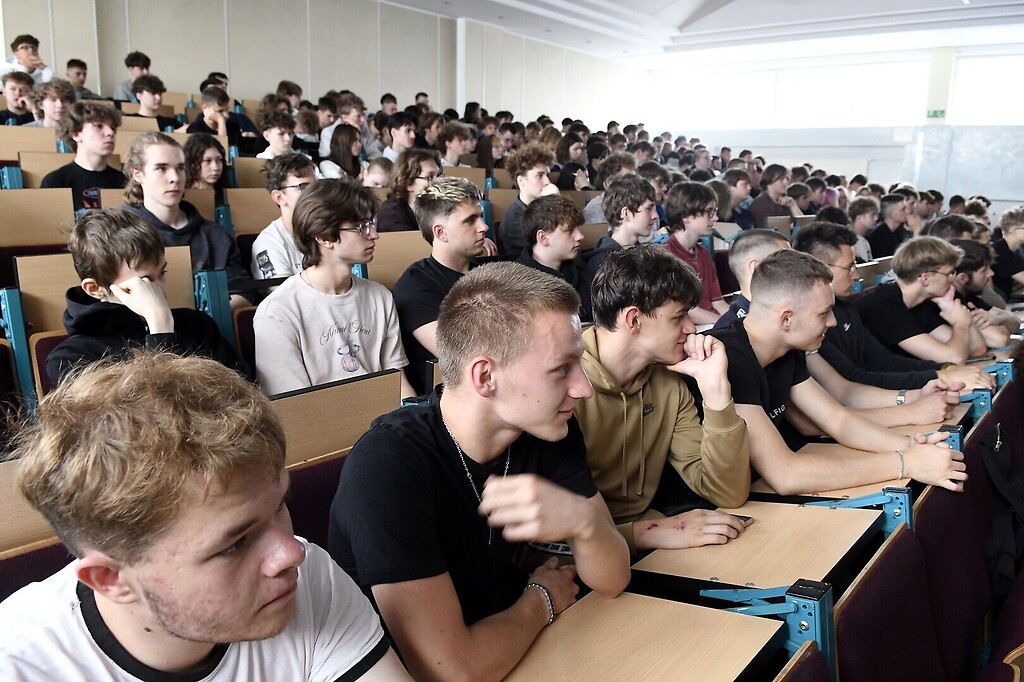
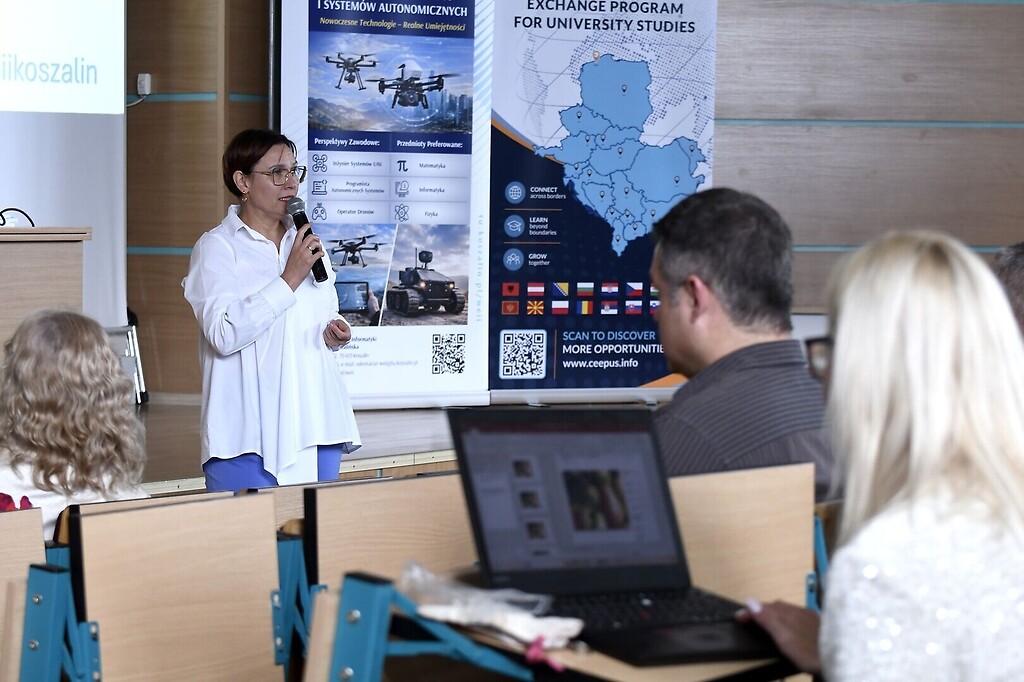
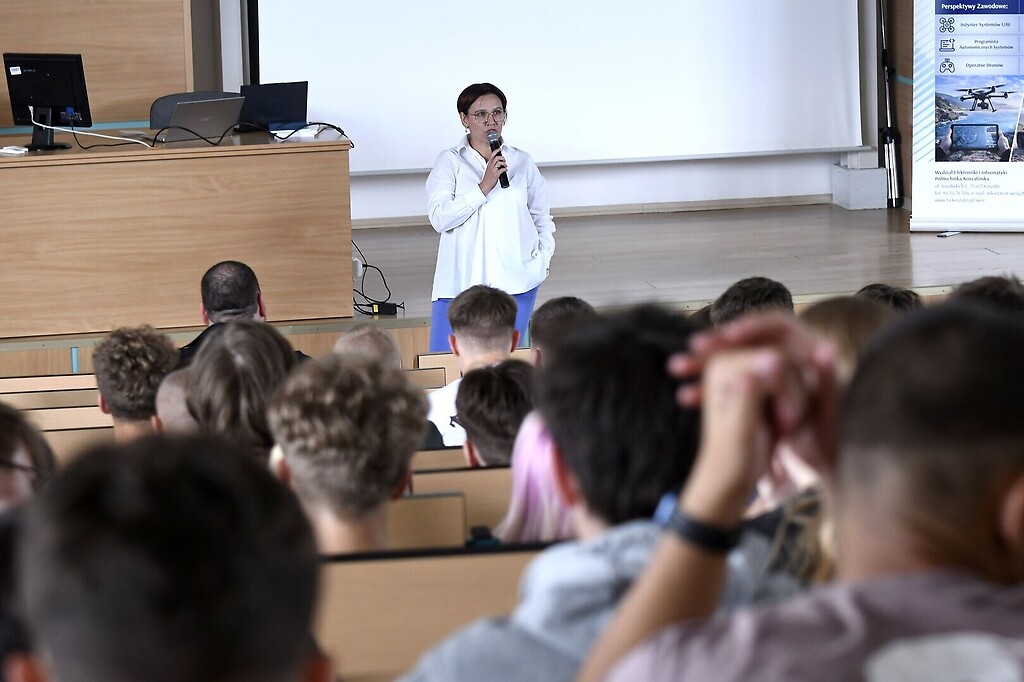
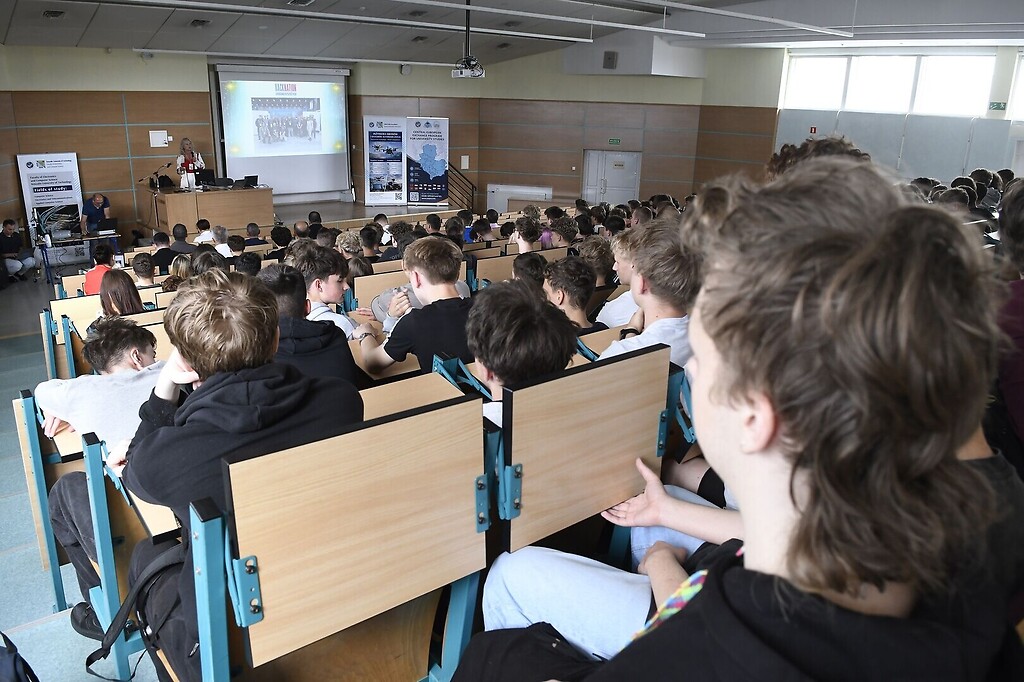
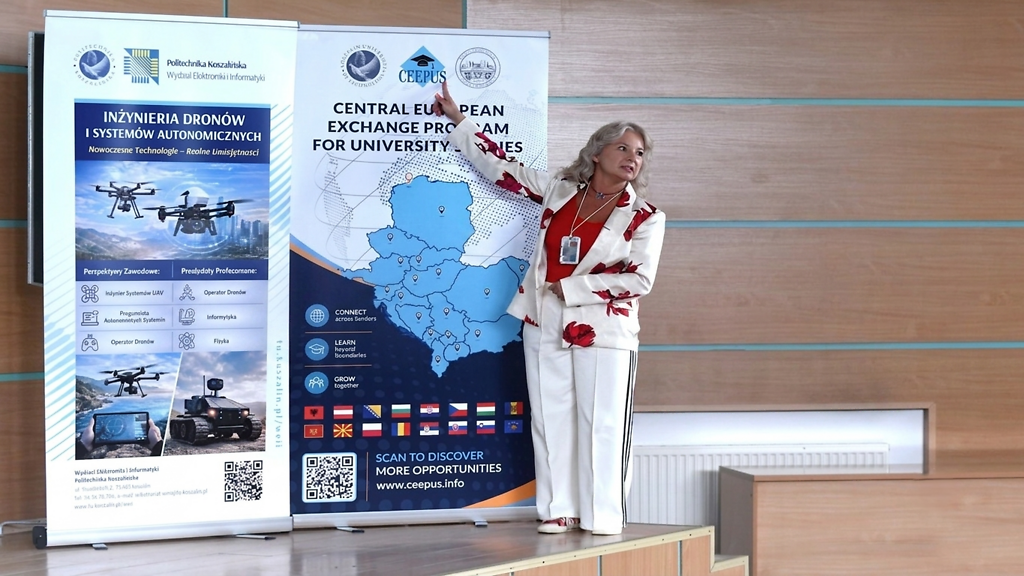
Today, the international scientific “Workshop 2026,” organized as part of the CEEPUS and Erasmus+ programmes, began at Koszalin University of Technology. Over the next few days, researchers from Poland, the Czech Republic, Slovakia, Hungary, Ukraine, Romania, and Kosovo will exchange experiences and present the latest achievements in fields such as electronics, computer science, cybersecurity, and sustainable development. The grand opening of the event and the inaugural session drew crowds of students and high school students to the auditorium of the Faculty of Electronics and Computer Science.
From Erasmus theory to radio practice
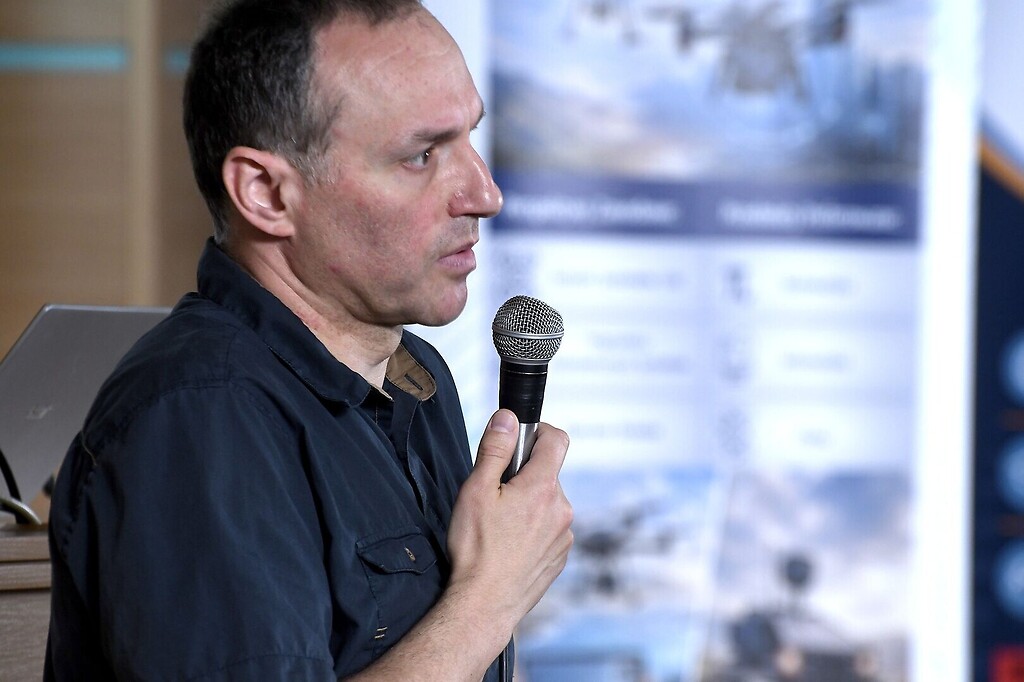
The event opened with a presentation by the international programme coordinators, summarizing their experiences to date with CEEPUS and Erasmus+ projects. Immediately following this, it was time for hands-on, engineering-focused operational practice. Wojciech Rymer, representing the Office of Electronic Communications, took the floor with a lecture titled: “Invisible Threats: How (not) to be interfered by an ordinary LED lamp”.
Experts from UKE decided to completely break away from the boring, purely theoretical format of academic lectures. Instead of reading from slides, they conducted full-scale, live technical demonstrations of what really happens on the airwaves in front of a packed auditorium.
Hunting for interference on the airwaves – live on stage
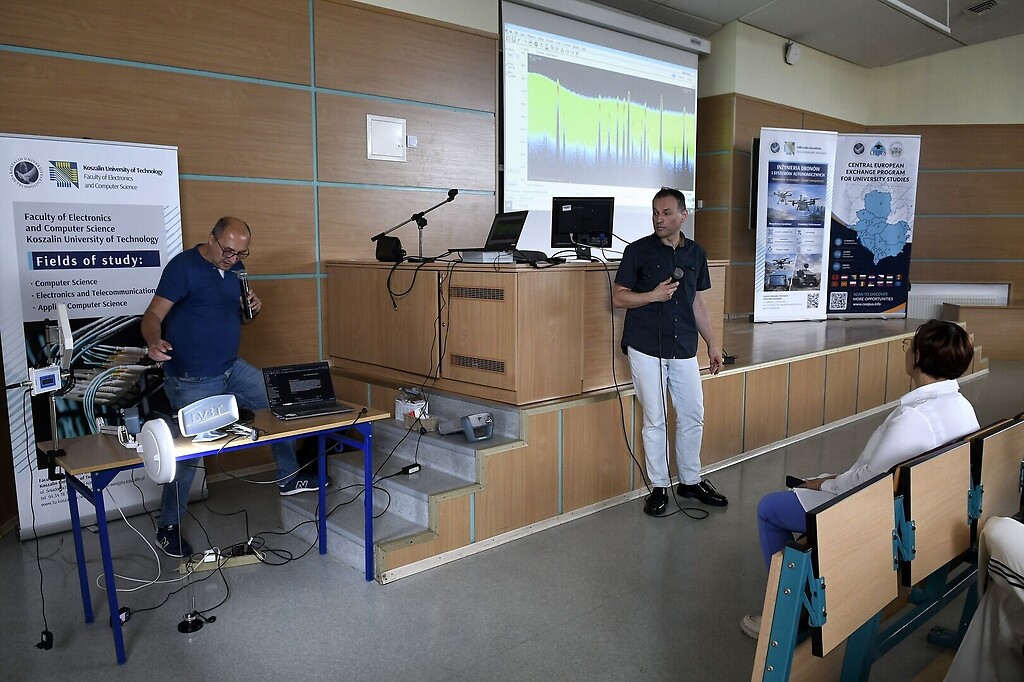
Experts from the Szczecin Branch - Wojciech Rymer and Marcin Wawrowski - participated in the demonstrations and equipment presentations. A mobile measurement lab they had set up, packed with professional radio equipment, took shape on the auditorium stage. As the detailed photos show:
• Specialized directional measurement antennas were put into action.
• An advanced Rohde & Schwarz PR100 broadband receiver and an R&S FSH spectrum analyzer were used to capture and meticulously analyze the signals.
• Laptops running measurement software displayed real-time radio frequency spectrum graphs on the auditorium’s large screen.
During the lecture Wojciech Rymer and Marcin Wawrowski demonstrated how seemingly insignificant items from our everyday surroundings—such as a cheap LED bulb that does not meet electromagnetic compatibility standards (EMC) or a faulty power supply—can become an “invisible threat.” Using real-life examples, operating a microphone, and working directly with the equipment, representatives of the regulator demonstrated how such devices generate powerful noise and can completely “cut off” or paralyze legally operating wireless communications services and nearby digital systems.
Participants—especially young technology enthusiasts—were able to see firsthand how radio waves react to physical obstacles and artificially induced interference, which sparked tremendous interest among the students.
More than just measurements: UKE as a place to start your career
The demonstrations and technical presentation naturally opened the floor for questions from university and high school students. Representatives of the Office of Electronic Communications spoke in detail about the regulator’s mission and day-to-day tasks—from frequency management to protecting consumer rights in digital market.
For young people, however, the career aspect proved to be key. UKE experts answered numerous questions regarding opportunities for student internships, apprenticeships, and building a long-term career path within the Office. For students in technical and IT fields, working for the regulator presents a unique opportunity to work with state-of-the-art measurement equipment, such as the PR100 or FSH, and to have a real impact on the country’s digital security.
International academic relay
The presentations and discussions with UKE served as the perfect starting point for the subsequent panels. Immediately following these, Dr. Mária Ždímalová from the Slovak University of Technology in Bratislava introduced the audience to advanced topics in digital image processing. After a break for “Networking Pizza,” dedicated to high school students, the session concluded with a lecture by Edmond Aliaga from the University of Pristina on analysis of variance (ANOVA) in statistical research.
The first day of the workshop concluded with informal discussions and presentations by student research clubs. The demonstrations and open dialogue organized by the UKE Branch proved one thing: modern education in cybersecurity and radio engineering must be based on facts, experiments, and showcasing career development opportunities. When the regulator and academia join forces in this way, students can learn their craft from the best practitioners in the field.